Free Baby Eye Assessments, Ages 6 to 12 Months.
Pediatric & Family Vision is a participating provider in the InfantSEE® public health program: a no-cost, no-insurance-needed comprehensive infant eye exam, regardless of family income.
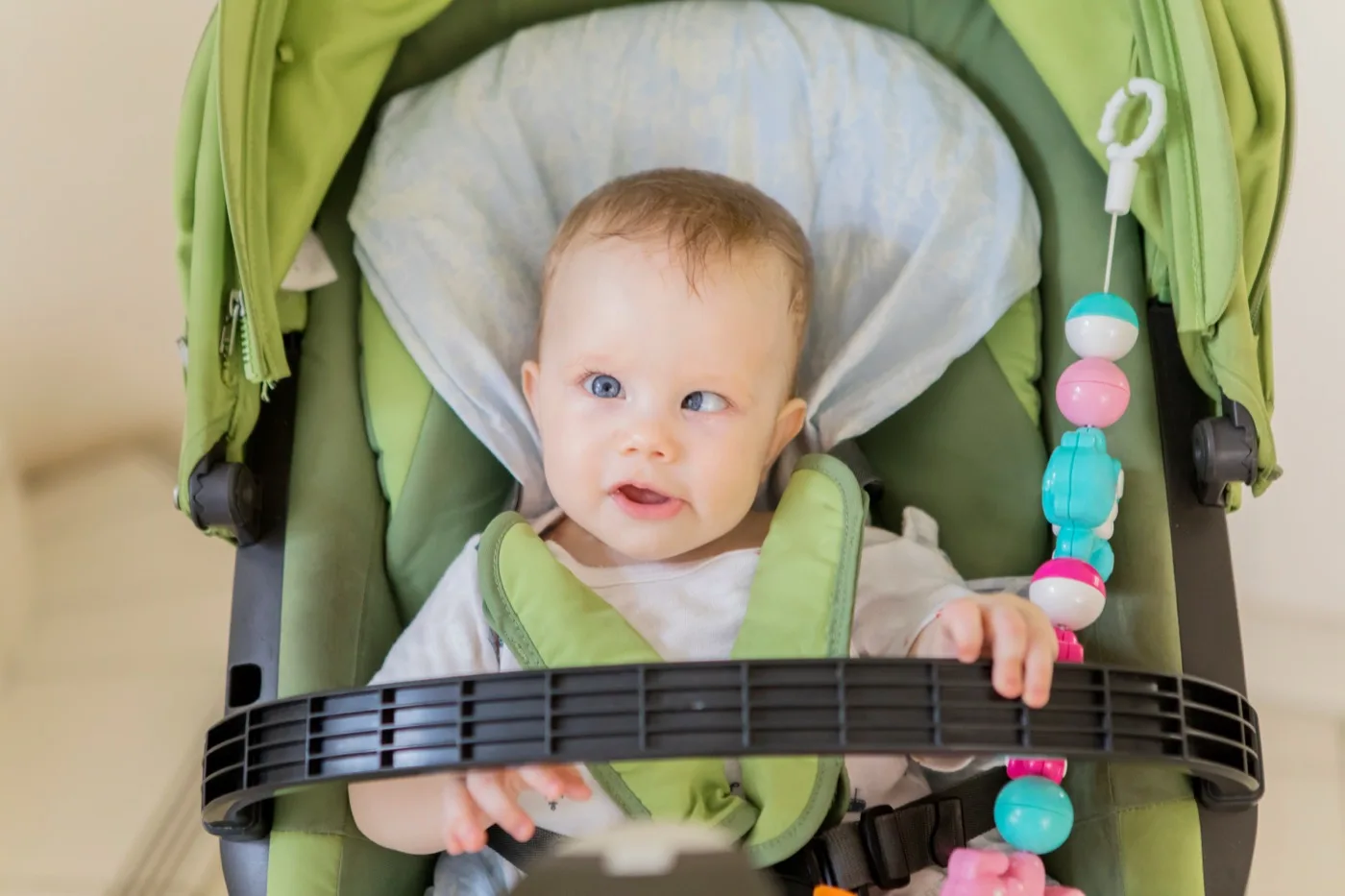
A Nationwide Public Health Program for Babies
InfantSEE® is a public health program managed by the American Optometric Association. Through it, participating optometrists provide a one-time, comprehensive eye assessment for infants between 6 and 12 months old, at no cost to the family, regardless of income or insurance status.
Why this matters: most pediatricians do a brief vision check, but they aren't equipped to perform a full eye-health and refractive evaluation. Many conditions that can permanently affect a child's vision, like high uncorrected refractive errors, amblyopia, and certain rare but serious eye-health issues, are most successfully treated when caught very early. The InfantSEE® assessment is designed to catch those things.
Dr. Christina Murray, OD, FCOVD has been a participating InfantSEE® provider for over a decade. Here's what a baby's first eye exam actually looks like. Much simpler and friendlier than most parents expect.
A Complete Assessment, Adapted for Babies
Eye Alignment
We check that both eyes are working together and tracking correctly. Early signs of strabismus (eye turn) are easier to address when caught young.
Focusing Ability
Even babies focus on faces and toys at varying distances. We assess how well the focusing system is developing.
Refractive Status
We screen for nearsightedness, farsightedness, and astigmatism, the kinds of refractive errors that, left uncorrected, can lead to amblyopia (lazy eye).
Eye Health
A thorough look at the front and back of each eye to make sure structures are healthy and developing normally.
Visual Behavior
How your baby responds to light, faces, contrast, and movement: all clues to how the visual system is wiring itself.
Family History Review
We discuss any family history of vision conditions so we know what to monitor as your child grows.
A Welcoming, Baby-Friendly Visit
The assessment takes about 30 to 45 minutes. You'll hold your baby during most of the exam. We use age-appropriate techniques that don't require your baby to read a chart or follow verbal instructions. Much of what we evaluate is based on how your baby's eyes track lights, toys, and faces.
If we find something that needs follow-up, we'll explain exactly what it is and what the next steps are, whether that means a recheck in a few months, a referral, or treatment. If everything looks great, we'll let you know when to come back for the next exam (typically around age 3, then before kindergarten. See our recommended schedule).
Bring a feeding, a favorite toy or pacifier, and a comfortable change of clothes if you'd like. We make sure the visit works around your baby's schedule, not the other way around.
What Parents Ask Most
Is my baby really old enough for an eye exam?
Yes. The American Optometric Association recommends a comprehensive infant eye exam between 6 and 12 months. Babies' eyes can be thoroughly assessed at this age without their needing to read or describe what they see.
Is it really free?
Yes. There is no out-of-pocket cost for the InfantSEE® assessment. We don't bill your insurance for the visit. Some families choose to have additional testing or treatment after the InfantSEE® exam, which would be billed separately if needed.
What if my baby cries the whole time?
That's normal. We expect it and work around it. The assessment relies on objective measurements that don't require your baby to cooperate verbally. A few tears don't affect what we can learn.
Do I need a referral from my pediatrician?
No, you can schedule directly with us. Many pediatricians do refer to InfantSEE® providers, and we're happy to coordinate with your child's pediatrician if you'd like.
What if my baby is older than 12 months?
The InfantSEE® program is for ages 6–12 months specifically. For toddlers and older children, schedule a pediatric eye exam, also a comprehensive evaluation, billed to insurance or self-pay.
Schedule Your Baby's InfantSEE® Exam
If your baby is 6 to 12 months old, this is one of the easiest, most worthwhile things you can do for their long-term vision. And it's free.