Specialty Care

When the Eyes Don't Work Together, Almost Nothing Else Works as Well as It Should.

Specialty binocular vision evaluations diagnose the conditions standard screenings miss, and chart a clear path forward.

All ages Specialty diagnostic FCOVD board-certified
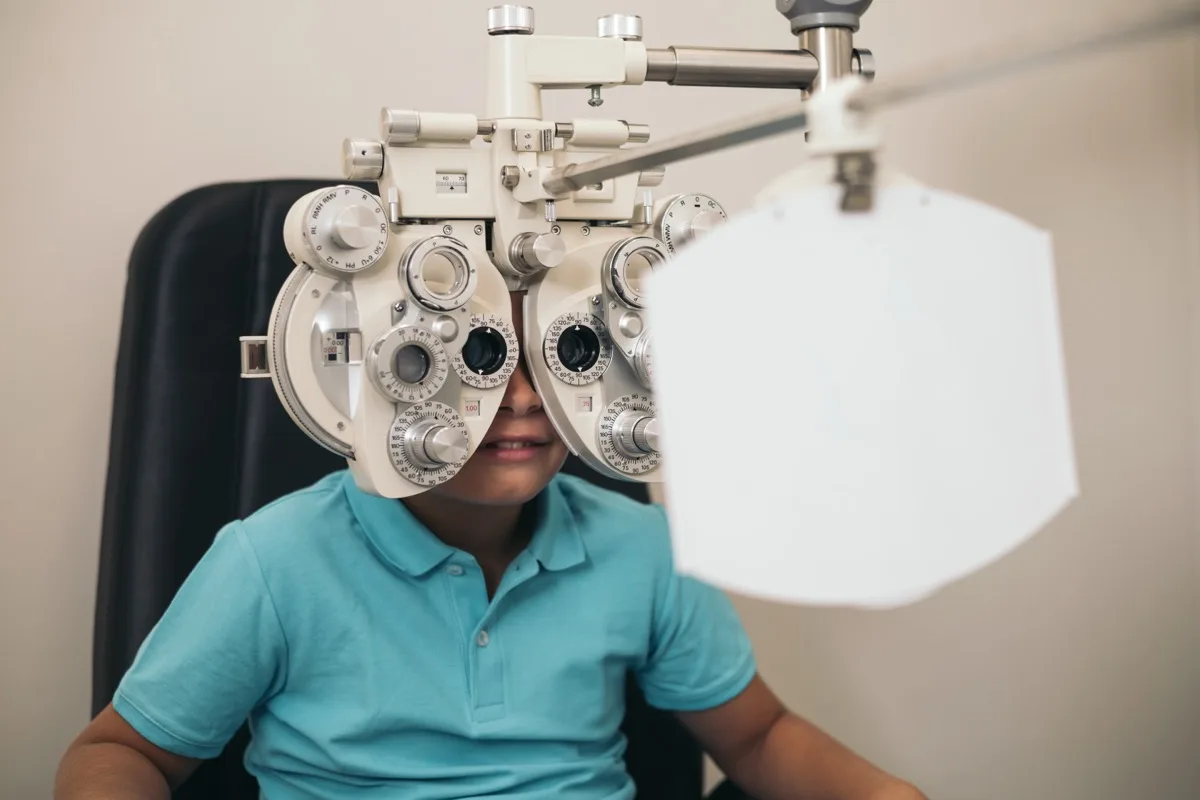
A young patient undergoes a binocular vision evaluation
What It Is

Seeing Clearly Is Only Part of How the Eyes Work

The other part, and a part standard vision screenings often miss, is how the two eyes work together. When eye teaming, focusing, or tracking aren't quite right, the consequences show up far beyond the eye chart: skipped lines while reading, headaches after screens, dizziness, double vision, fatigue, even falling grades.

A binocular vision evaluation pinpoints exactly what's happening, why it's happening, and what to do about it. Dr. Murray is a Board-Certified Fellow of the College of Optometrists in Vision Development (FCOVD), with deep training and experience in this specialty area of optometry.

What We Evaluate

Conditions We Diagnose

Lazy Eye (Amblyopia)

When one eye sees less clearly than the other even with correction. Early diagnosis dramatically improves outcomes.

Eye Turns (Strabismus)

When the eyes don't point in the same direction. Constantly, intermittently, or only when tired.

Convergence Insufficiency

The eyes don't work together at near, making sustained reading or screen use uncomfortable. One of the most commonly missed binocular issues.

Double Vision

Seeing two of one thing, whether constant, occasional, or only at certain distances. Often indicates a binocular vision breakdown.

Computer Vision Syndrome

Eye strain, headaches, and fatigue from sustained screen time. Often tied to focusing and teaming inefficiencies.

Post-Concussion Vision Symptoms

Visual disturbances, light sensitivity, balance issues, and reading difficulty following a concussion or head injury.

Who Should Come In

Signs an Evaluation May Help

  • Children who skip lines, lose their place, or avoid reading
  • Anyone with headaches after reading, near work, or screen time
  • Patients with double vision, blurring, or eye fatigue
  • Kids whose grades or focus dropped without an obvious cause
  • Anyone recovering from a concussion with vision-related symptoms
  • People with dizziness, balance issues, or motion sensitivity
  • Children who close one eye to read, watch, or focus
  • Anyone with a known eye turn, lazy eye, or convergence problem

If any of these sound familiar, for yourself or your child, a binocular vision evaluation can clarify what's going on and what to do next. Learn more about convergence insufficiency, amblyopia (lazy eye), concussion and vision, and eye pain in kids. Not sure if this is the right starting point? A pediatric eye exam can help triage.

Cash-Pay Pricing

Two Evaluations, Designed for the Age

Cash-pay (self-pay) rates. Binocular vision evaluations are often covered by medical insurance. Your out-of-pocket depends on your specific plan.

Ages 3 and Up

Binocular Vision Evaluation

$350

~1 hour · cash pay

Ocular health evaluation, refraction, eye tracking, focusing, and teaming assessment, plus diagnosis-specific additional testing. Includes a clear written explanation of findings and next steps.

Under 3 Years

Amblyopia, Strabismus & Binocular Evaluation

$250

~1 hour · cash pay

Same specialty focus on lazy eyes, eye turns, and binocular function, using age-appropriate testing techniques designed for infants and toddlers.

Using Insurance?

Binocular vision evaluations are often covered by medical insurance (rather than vision insurance) because they address a medical concern, not a routine vision check. Your out-of-pocket cost depends on your plan's copay, deductible, and coverage. We'll verify your benefits before your visit.

After the Evaluation

A Clear Plan, Every Time

Every binocular vision evaluation ends with a clear, written explanation of what we found and what we recommend. Depending on the diagnosis, next steps may include:

  • Updated or specialty prescription glasses
  • Prism lenses to support binocular alignment
  • Patching protocols for amblyopia
  • Vision therapy, rendered through our affiliated practice Vision & Learning Center
  • Co-management with other healthcare providers (neurologists, OTs, PTs, etc.) when appropriate
  • A follow-up timeline to track progress

You'll leave understanding exactly what's going on and what comes next, not guessing.

About vision therapy: Vision therapy itself is delivered at our affiliated practice, Vision & Learning Center. If your evaluation here calls for it, we coordinate the referral directly so care stays seamless.

Referring a patient? Pediatricians, OTs, PTs, neurologists, speech therapists, and other providers can send referrals directly to referral@pedsfamilyvision.com. We'll coordinate scheduling and follow up with a report after the evaluation.

What Families Say

Real Outcomes From Binocular Vision Care

“As a teacher, I've always heard great things about Dr. Murray's office from former students and their parents. It just made sense for me to bring my own son to her. Dr. Murray was extremely informative during her evaluation, and my son really enjoys his therapist. She's super professional and writes up comprehensive notes so we can support him at home. Really pleased with the journey so far.”

Erika UtterTeacher and mom · 4 months ago

“My son has been working with the team and our experience has been very positive. He truly enjoys his visits and looks forward to each session. I'm already noticing improvement. We're excited for him to complete the program.”

Samantha VincentMom of a son · 3 months ago

“Amazing studio and the staff here is very kind, helpful, and professional. We come here three times a week and everything is super nice.”

Nicole BenedettiParent · 4 months ago

“Great communication! Clear plan to follow. Kind and encouraging. Grateful we found this practice.”

Lauren W.Parent · 6 months ago

Read more patient reviews →

Ready to Get Answers?

Book an evaluation and we'll get to the bottom of it.