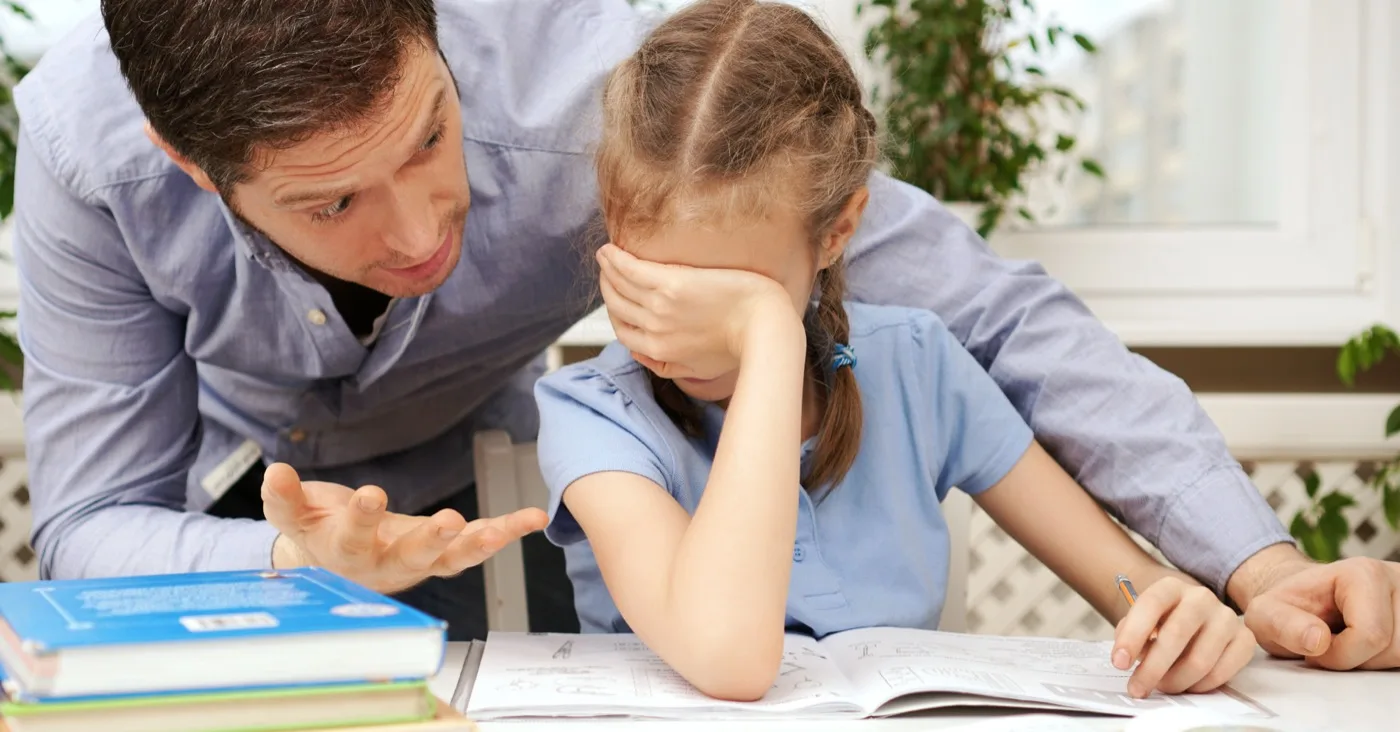
When a child struggles to read, parents usually start by looking at the obvious things.
Is my child behind in phonics?
Is this dyslexia?
Is attention the problem?
Does my child need more practice?
Is the book too hard?
Those are all important questions. But there is another question that is often missed.
Could vision be making reading harder than it needs to be?
Vision is not the cause of every reading problem. It is not the cause of dyslexia. It does not replace the need for good reading instruction, tutoring, language support, or school-based testing when those are needed.
But vision can affect how comfortable and efficient reading feels.
If your child’s eyes are not seeing clearly, focusing well, moving accurately, or working together as a team, reading can become tiring, frustrating, and much harder to sustain.
That is why a comprehensive eye exam is an important place to start when a child struggles with reading, especially when there are physical symptoms like headaches, eye rubbing, blurry vision, losing place, or avoiding near work.
Reading Is Not Just a Learning Task
Reading is a language task, but it is also a visual task.
Your child has to see the print clearly, aim both eyes at the same place, move from word to word, shift lines, keep their place, focus up close, and keep doing that long enough to understand what they are reading.
That is a lot of work for the visual system.
When everything is working well, the child does not have to think about their eyes. They can focus on the words and the meaning.
When the visual system is working too hard, the child may spend extra energy just trying to keep the print clear and single.
That can make reading feel exhausting.
Signs That Vision May Be Part of the Problem
A child with a vision-related reading concern may not say, “My eyes are not working together.”
They may not know how to explain what they feel.
Instead, you may notice:
- Losing their place while reading
- Skipping words or lines
- Rereading the same line
- Reading slowly
- Avoiding reading
- Complaining of headaches
- Rubbing their eyes during homework
- Holding the book very close
- Closing or covering one eye
- Blurry vision after reading for a while
- Double vision
- Words appearing to move or swim
- Trouble copying from the board
- Homework taking much longer than expected
- Becoming tired or emotional during reading
These signs do not prove that vision is the cause. But they are enough to justify a full eye exam.
Your Child May Still Have 20/20 Vision
This is one of the most important things for parents to understand.
A child can have 20/20 eyesight and still struggle visually with reading.
20/20 vision usually means a child can see clearly at a certain distance. It does not tell us everything about how the eyes focus up close, how they move across a page, or how well they work together during sustained reading.
That is why a child may pass a school vision screening and still have symptoms during homework.
A screening may catch some distance vision problems. It may not catch every issue that affects reading comfort.
Vision Skills That Matter for Reading
Reading requires more than clear eyesight.
A comprehensive eye exam may look at several visual skills that can affect reading comfort.
Eye focusing
The eyes have to focus clearly up close.
If a child has trouble focusing, the print may blur, especially after reading for a while. The child may complain that the words go in and out of focus. They may rub their eyes, blink, or need frequent breaks.
Some children can force the print to stay clear, but it takes too much effort.
That effort can lead to fatigue.
Eye teaming
Both eyes need to aim at the same word at the same time.
If the eyes do not team well, the brain may have to work harder to keep the print single. Some children may see double. Others may not see double, but they may feel strain, headaches, or discomfort.
One common eye teaming problem is convergence insufficiency. This means the eyes have difficulty turning inward comfortably for near work like reading or computer use. Learn more about convergence insufficiency.
Children with convergence insufficiency may complain of headaches, eye strain, blurry vision, double vision, trouble concentrating, or words moving around during reading.
Eye tracking
The eyes need to move accurately from word to word and line to line.
If eye movements are inefficient, a child may lose place, skip words, reread lines, or use a finger to keep track.
Using a finger is not always a problem. Many young readers use their finger as they learn. But if an older child cannot keep place without it, or if reading is slow and tiring, eye movement should be checked.
Visual stamina
Some children can perform well for a short test but struggle over time.
They may look fine during a quick screening, then fall apart after 10 or 15 minutes of reading.
This is why parents often say:
“He can read, but he cannot keep going.”
“She starts strong, then melts down.”
“He knows the words, but homework takes forever.”
That pattern matters.
The issue may not be whether your child can read a word. It may be whether their eyes can support reading comfortably for the amount of time school requires.
When It May Not Be Vision
It is also important to be honest.
Not every reading struggle is a vision problem.
Reading difficulties can come from dyslexia, language processing, phonological awareness, attention, working memory, instruction, anxiety, developmental differences, or other learning needs.
Vision care does not replace educational testing, reading intervention, tutoring, speech and language evaluation, occupational therapy, or school support when those are appropriate.
A child can also have more than one thing going on.
For example, a child may have dyslexia and a focusing problem. Or ADHD and convergence insufficiency. Or a learning difference and an uncorrected prescription.
That is why the goal is not to blame everything on the eyes.
The goal is to make sure the visual piece is not being missed.
Why Children May Avoid Reading
Children avoid things that feel hard.
If reading makes the eyes tired, blurry, strained, or uncomfortable, your child may not have the words to explain that.
Instead, they may say:
“I hate reading.”
“This is boring.”
“I am tired.”
“My head hurts.”
“I do not want to do homework.”
They may rush, guess, skip lines, cry, act silly, or become distracted.
Sometimes adults assume the child is not trying. But in some cases, the child is working very hard just to keep the words clear and single.
That does not mean the child is being difficult.
It may mean reading feels bad.
What Should Parents Watch for During Homework?
Pay attention to patterns.
- Does your child do better with listening than reading?
- Do symptoms show up more after school?
- Does your child start homework calmly, then become frustrated?
- Do they lose place more as they get tired?
- Do they avoid chapter books but do better with being read to?
- Do they complain of headaches after reading or screen time?
- Do they cover one eye?
- Do they hold the page very close?
- Do they read better in short bursts?
These details help the eye doctor understand what your child is experiencing.
A parent’s observations are often just as important as what happens in the exam room.
What Happens During the Eye Exam?
A comprehensive eye exam for a child with reading concerns may check:
- Distance vision
- Near vision
- Glasses prescription
- Eye health
- Eye alignment
- Eye focusing
- Eye teaming
- Eye movement
- Depth perception
- Whether symptoms match the exam findings
The doctor may also ask about headaches, attention, reading stamina, school performance, screen use, copying from the board, and whether your child has had a concussion. (Here is what to expect at a comprehensive pediatric eye exam.)
The goal is to determine whether glasses are needed, whether the eyes are healthy, and whether visual skills may be contributing to the reading struggle.
Does My Child Need Glasses, Vision Therapy, or Something Else?
It depends on what the exam shows.
Some children need glasses.
Some need an updated prescription.
Some have healthy eyes and no prescription concern.
Some have focusing or eye teaming problems that may need more detailed evaluation.
Some need support outside of eye care, such as reading intervention or educational testing.
The first step is not guessing.
The first step is checking.
Once the visual system is evaluated, you can make better decisions about what your child needs next.
When Should You Schedule an Eye Exam?
Schedule an eye exam if your child struggles with reading and also has any of these signs:
- Headaches with reading
- Eye rubbing during homework
- Blurry vision
- Double vision
- Losing place often
- Skipping lines
- Closing one eye
- Holding books very close
- Trouble copying from the board
- Avoiding reading
- Reading fatigue
- A history of concussion
- A failed school vision screening
- A strong family history of vision problems
You should also schedule if your child has never had a comprehensive eye exam.
Even if the exam is normal, that information is useful. It helps you know whether to look more closely at other causes.
Reading Concerns at Pediatric & Family Vision
At Pediatric & Family Vision, we see children for routine eye exams, glasses, medical eye care, and vision concerns that may affect reading comfort.
We do not assume every reading struggle is caused by vision.
But we also know that vision is often overlooked when a child passes a screening or has 20/20 eyesight.
If your child avoids reading, gets headaches, loses place, rubs their eyes, or struggles to keep up with homework, a comprehensive eye exam is a good place to start.
We will check whether your child needs glasses, whether the eyes are healthy, and whether focusing, eye teaming, or tracking may need a closer look.
The goal is clarity.
You deserve to know whether vision is part of the problem, not because it explains everything, but because it may be one piece that can be addressed.