A bump on your child’s eyelid can be stressful.
It may start as a small red spot.
Then the lid looks swollen.
Your child rubs it.
The eye looks irritated.
You wonder if it is pink eye, an infection, allergies, a blocked gland, or something more serious.
Many eyelid bumps in children are styes or chalazia.
Most are not dangerous, but they can be painful, annoying, and frustrating when they keep coming back.
The most important thing is knowing what you are looking at, what you can safely do at home, and when your child should be seen by the eye doctor.
What Is a Stye?
A stye is a small, tender, red bump on or near the eyelid.
It is also called a hordeolum.
A stye often happens when an oil gland or eyelash follicle becomes blocked and infected.
It may look like a pimple on the eyelid.
A stye may cause:
- Eyelid pain
- Tenderness
- Redness
- Swelling
- Watering
- Crusting
- A bump near the lashes
- Sensitivity when blinking
- A feeling that something is in the eye
Styes are common.
They are usually manageable, but they should not be squeezed or popped.
What Is a Chalazion?
A chalazion is also an eyelid bump, but it is different from a stye.
A chalazion usually happens when an oil gland in the eyelid becomes blocked. It is often less painful than a stye.
It may feel like a firm bump inside the eyelid.
A chalazion may cause:
- A painless or mildly tender eyelid lump
- Eyelid swelling
- A bump that lasts longer than a stye
- Mild redness
- Pressure on the eye if it becomes large
- Blurry vision if it presses on the cornea
- Recurrent eyelid bumps
A chalazion may start after a stye or may appear on its own.
Parents often call both of these “styes,” but the treatment and timeline can be a little different.
What Is the Difference Between a Stye and a Chalazion?
A stye is usually more painful, red, and tender. It is often closer to the eyelid edge or lash line.
A chalazion is often deeper in the eyelid and may feel more like a firm lump. It may not hurt much.
A simple way to think about it:
A stye is usually more inflamed and painful.
A chalazion is usually more blocked and lumpy.
They can overlap, and it is not always easy for parents to tell the difference at home.
If the bump is painful, worsening, affecting vision, or not improving, it should be checked.
Why Do Kids Get Styes?
Children can get styes for several reasons.
Common causes and risk factors include:
- Blocked eyelid oil glands
- Eyelid bacteria
- Touching or rubbing the eyes
- Poor hand hygiene
- Blepharitis
- Eye allergies
- Dry eye
- Skin conditions
- Makeup or face paint in older children
- Contact lens wear in teens
- Not fully removing eye products
- Reusing dirty towels or washcloths
- Frequent eye rubbing
Some children are just more prone to clogged eyelid glands.
If the bumps happen once, it may be random.
If they keep coming back, the eyelids may need a closer look.
Why Does My Child Keep Getting Them?
Repeated styes or chalazia often mean there is an underlying eyelid issue.
Possible reasons include:
- Chronic eyelid inflammation
- Oil glands that clog easily
- Blepharitis
- Eye allergies causing rubbing
- Dry eye or tear film problems
- Skin oil buildup around the lashes
- Poor lid hygiene
- Contact lens habits
- Makeup, sunscreen, or face paint irritation
- A child touching the eyes often
In South Florida, allergies, sunscreen, sweat, pool exposure, and outdoor play can all add to eye rubbing and irritation.
A child who rubs the eyes often may be more likely to irritate the eyelids and clog glands.
What Is Blepharitis?
Blepharitis is inflammation of the eyelid edges.
It can make the eyelids red, crusty, itchy, flaky, or irritated.
Children with blepharitis may have:
- Crusting on the lashes
- Red eyelid edges
- Itchy eyelids
- Burning
- Watery eyes
- Eye rubbing
- Recurrent styes
- Recurrent chalazia
- Flaky skin around the lashes
- Morning crusting
Blepharitis is not always obvious to parents.
The eye doctor can look closely at the eyelid margins and oil glands to see whether it is part of the problem.
What Should Parents Do at Home?
For a mild eyelid bump that looks like a stye or chalazion, warm compresses are usually the first step.
- Use a clean warm washcloth or a warm compress designed for eyes.
- Place it over the closed eyelid.
- Keep it warm, not hot.
A typical routine is 10 to 15 minutes, several times per day, if your child can tolerate it.
The warmth helps soften the blocked oil and may help the bump drain on its own.
For younger children, even a few calm minutes may be better than nothing. The goal is consistency, not perfection.
How to Do a Warm Compress Safely
Use these steps:
- Wash your hands
- Use a clean washcloth
- Wet it with warm water
- Test the temperature first
- Place it over the closed eyelid
- Keep it warm, not hot
- Rewarm as needed
- Do not press hard
- Do not squeeze the bump
- Use a fresh clean cloth each time
Do not microwave a wet cloth unless you are extremely careful. It can become too hot and burn the eyelid.
Children’s eyelid skin is delicate.
Warm means comfortable warmth, not heat that hurts.
Do Not Pop or Squeeze It
This is very important.
Do not squeeze, pop, poke, lance, or try to drain a stye or chalazion at home.
- Squeezing can make inflammation worse.
- It can spread infection.
- It can damage the eyelid.
- It can make the bump more painful.
Let it drain on its own if it is going to drain.
If it needs medical drainage, that should be done by an eye care professional.
Should My Child Stay Home from School?
A stye or chalazion by itself usually does not require a child to stay home.
But the answer depends on what else is happening.
Your child may need to stay home or be evaluated if there is:
- Thick discharge
- Fever
- Significant swelling
- Pain
- A red eye that looks like infection
- Symptoms spreading
- Trouble opening the eye
- A school policy concern
- Concern for contagious pink eye
A stye is not the same as pink eye.
But a child can have an eyelid bump and another eye problem at the same time.
If you are unsure, call the eye doctor.
Is a Stye Contagious?
The bump itself is not usually contagious in the same way viral pink eye can be.
But bacteria from the eyelid can spread through hands, towels, makeup, or touching the eye.
Children should wash hands often and avoid touching or rubbing the eyes.
Do not share towels, washcloths, eye makeup, or contact lens supplies.
If there is discharge or concern for pink eye, the child should be evaluated.
Can Allergies Cause Styes?
Allergies can contribute indirectly.
- Allergies cause itching.
- Itching causes rubbing.
- Rubbing irritates the eyelids and can make inflammation worse.
Children with allergies may also have watery eyes, swollen lids, redness, and frequent touching near the eyes.
If your child keeps getting styes and also has itchy eyes, allergies may be part of the pattern.
Treating the allergies may help reduce eye rubbing and eyelid irritation.
Can Dry Eye Cause Styes?
Dry eye and tear film problems can be connected with eyelid gland issues.
Children with dry or irritated eyes may blink hard, rub, or have unstable tears.
Some children with eyelid gland dysfunction may have both dry eye symptoms and recurrent eyelid bumps.
Dry eye symptoms in kids may include:
- Burning
- Stinging
- Watering
- Blurry vision that comes and goes
- Eye rubbing
- Redness
- Screen discomfort
- Contact lens discomfort
Watery eyes can still be dry or irritated eyes.
If your child has recurring eyelid bumps and eye irritation, an exam can help determine whether the tear film or eyelid glands are involved. Dry eye care often involves treating both the tear film and the eyelid glands together.
Can Screens Cause Styes?
Screens do not directly cause styes.
But screen use can reduce blinking.
Less blinking can affect the tear film and oil gland function.
Children may also rub their eyes more when they are tired from screens.
So screens may not be the main cause, but long periods of screen use can contribute to dryness, eye strain, and irritation in some children.
If your child gets red, tired, watery, or irritated eyes after screens, mention it during the exam.
Can Pool Water Cause Styes?
Pool water does not usually directly cause a stye.
But pool chlorine, sunscreen, sweat, rubbing, and irritation around the eyes can contribute to eyelid inflammation.
If your child swims often and rubs the eyes afterward, that may be part of the irritation cycle.
If your child wears contact lenses, they should not swim in contacts. Water exposure with contact lenses can increase infection risk.
For swimmers who need vision correction, ask about prescription swim goggles.
Can Contact Lenses Cause Eyelid Bumps?
Contact lenses can contribute to eye irritation if they are not worn safely.
Teens who wear contacts may get discomfort from dry eye, allergies, overwear, poor hygiene, old lenses, or sleeping in lenses.
If your teen has an eyelid bump plus contact lens discomfort, redness, pain, light sensitivity, discharge, or blurry vision, the contacts should come out and the eye doctor should be called.
A contact lens wearer with a painful red eye should not keep wearing lenses.
When Should I Call the Eye Doctor?
Call the eye doctor if your child has:
- A bump that is getting worse
- Significant eyelid swelling
- Pain that is increasing
- Redness spreading around the eye
- Fever
- Trouble opening the eye
- Blurry vision
- Light sensitivity
- Eye pain, not just eyelid tenderness
- Thick discharge
- A bump that does not improve
- Recurrent styes or chalazia
- A very large bump
- A bump in a baby
- Contact lens wear with redness or pain
If your child’s vision changes, the eye itself hurts, or the swelling spreads, do not wait.
When Is It Urgent?
Seek urgent care or call promptly if your child has:
- Swelling that is spreading around the eye
- Fever
- Severe pain
- Trouble moving the eye
- Vision changes
- The eye bulging forward
- The child cannot open the eye
- Redness spreading into the face
- Significant tenderness around the eye
- Symptoms after injury
These symptoms are not typical for a simple stye.
They may suggest a more serious infection or another condition that needs prompt medical care.
What If the Bump Lasts for Weeks?
Some chalazia can take a long time to fully go away.
The redness and tenderness may improve first, but a firm bump can linger.
That said, a bump that is not improving, keeps growing, affects vision, or lasts a long time should be evaluated.
- Sometimes prescription medication is needed.
- Sometimes a referral for drainage or removal is needed.
- Sometimes the diagnosis needs to be confirmed.
Do not keep doing warm compresses forever without checking if the bump is persistent.
What If the Bump Keeps Coming Back in the Same Place?
A recurring bump in the same location should be checked.
- It may be a gland that keeps clogging.
- It may be chronic inflammation.
- It may need a different treatment plan.
In adults, a recurrent bump in the same place can sometimes raise concern for other eyelid conditions. In children, common causes are still more likely, but repeated same location bumps should not be ignored.
An eye doctor can examine the eyelid closely and decide whether further care is needed.
Will Antibiotics Help?
Not always.
Many chalazia are blocked oil glands, not active infections.
Antibiotics do not open a blocked gland.
A stye may involve infection, and an eye doctor may prescribe antibiotic ointment or drops if there are signs of infection.
Sometimes oral antibiotics are used if infection spreads into the surrounding eyelid tissue or if there is significant associated inflammation.
- Do not use leftover antibiotics from a previous eye problem.
- Do not share drops between children.
The treatment should match the diagnosis.
Will Eye Drops Help?
Sometimes, but not always.
Drops may help if there is allergy, dry eye, inflammation, or infection.
But drops alone may not fix a blocked eyelid gland.
Warm compresses and eyelid care are often a key part of treatment.
If your child keeps getting bumps, the eye doctor may recommend a lid hygiene routine, allergy treatment, dry eye support, medication, or follow up care.
What About Eyelid Scrubs?
Eyelid hygiene may help some children who get recurrent styes or chalazia, especially if blepharitis is present.
This may include gentle cleaning of the eyelid margins with a product recommended by the eye doctor.
- Do not scrub aggressively.
- Do not use harsh soaps near the eyes.
- Do not use adult products on young children unless the doctor says they are appropriate.
The eyelid skin is sensitive.
A gentle routine works better than irritation.
What About Baby Shampoo?
Some older guidance includes diluted baby shampoo for eyelid cleaning.
Some doctors still recommend it in certain situations, while others prefer commercial eyelid cleansing products because they may be gentler or more consistent.
Do not start a lid scrub routine for a young child without guidance if the eye is painful, swollen, or irritated.
Ask the eye doctor what is safest for your child.
What If My Child Has a Stye Before a Big Event?
- Do not squeeze it.
- Do not try to drain it.
- Do not cover it with makeup.
- Do not use someone else’s drops.
Use warm compresses if the bump seems mild and your child is comfortable.
Call the eye doctor if there is pain, swelling, redness, discharge, or the event involves contact lenses, makeup, sports, or photos.
For older children and teens, makeup can make the irritation worse and can contaminate products.
It is better to treat the eyelid safely than try to hide the bump.
Can My Teen Wear Makeup with a Stye?
It is usually best to avoid eye makeup while a stye or chalazion is active.
Makeup can irritate the eyelid and may contaminate brushes or products.
Your teen should avoid:
- Mascara
- Eyeliner
- Eye shadow
- Glitter
- Fake lashes
- Lash glue
- Shared makeup
- Old eye makeup
After the bump resolves, consider replacing eye makeup that may have been used around the time of infection.
Can My Teen Wear Contacts with a Stye?
It depends on the symptoms and location, but many times it is safer to wear glasses until the eyelid improves.
Contacts should definitely come out if there is:
- Eye redness
- Eye pain
- Light sensitivity
- Blurry vision
- Discharge
- Lens discomfort
- Swelling that affects lens wear
A contact lens wearer should always have backup glasses.
If your teen feels they cannot function without contacts, that is a sign they need a current pair of glasses as backup.
How Can We Prevent Styes?
You cannot prevent every stye, but you can reduce risk.
Helpful habits include:
- Wash hands often
- Avoid touching or rubbing eyes
- Treat eye allergies
- Keep eyelids clean
- Remove makeup fully
- Do not share towels or washcloths
- Do not share eye makeup
- Replace old eye makeup
- Follow contact lens rules
- Avoid sleeping in contacts
- Avoid swimming in contacts
- Keep glasses and contact supplies clean
- Manage blepharitis if present
- Use lid hygiene if recommended
If your child gets frequent styes, prevention should be personalized.
The eye doctor can help identify the most likely trigger.
What If My Child Rubs Their Eyes All the Time?
Eye rubbing is a clue.
Children rub their eyes because of allergies, dry eye, blurry vision, eye strain, tiredness, habit, or irritation.
If rubbing is constant, do not only focus on stopping the behavior.
Find out why the child is rubbing.
An eye exam can check for:
- Allergies
- Dry eye
- Blepharitis
- Prescription needs
- Focusing strain
- Eye teaming problems
- Contact lens irritation
- Eyelid gland issues
Reducing rubbing may reduce eyelid inflammation and recurrent bumps.
What If My Baby Has an Eyelid Bump?
Babies should be handled more carefully.
If a baby has eyelid swelling, redness, discharge, trouble opening the eye, fever, or seems uncomfortable, call the pediatrician or eye doctor promptly.
- Do not use adult eye products on a baby unless directed.
- Do not try to squeeze or drain a bump.
Because babies cannot explain symptoms, it is better to check earlier.
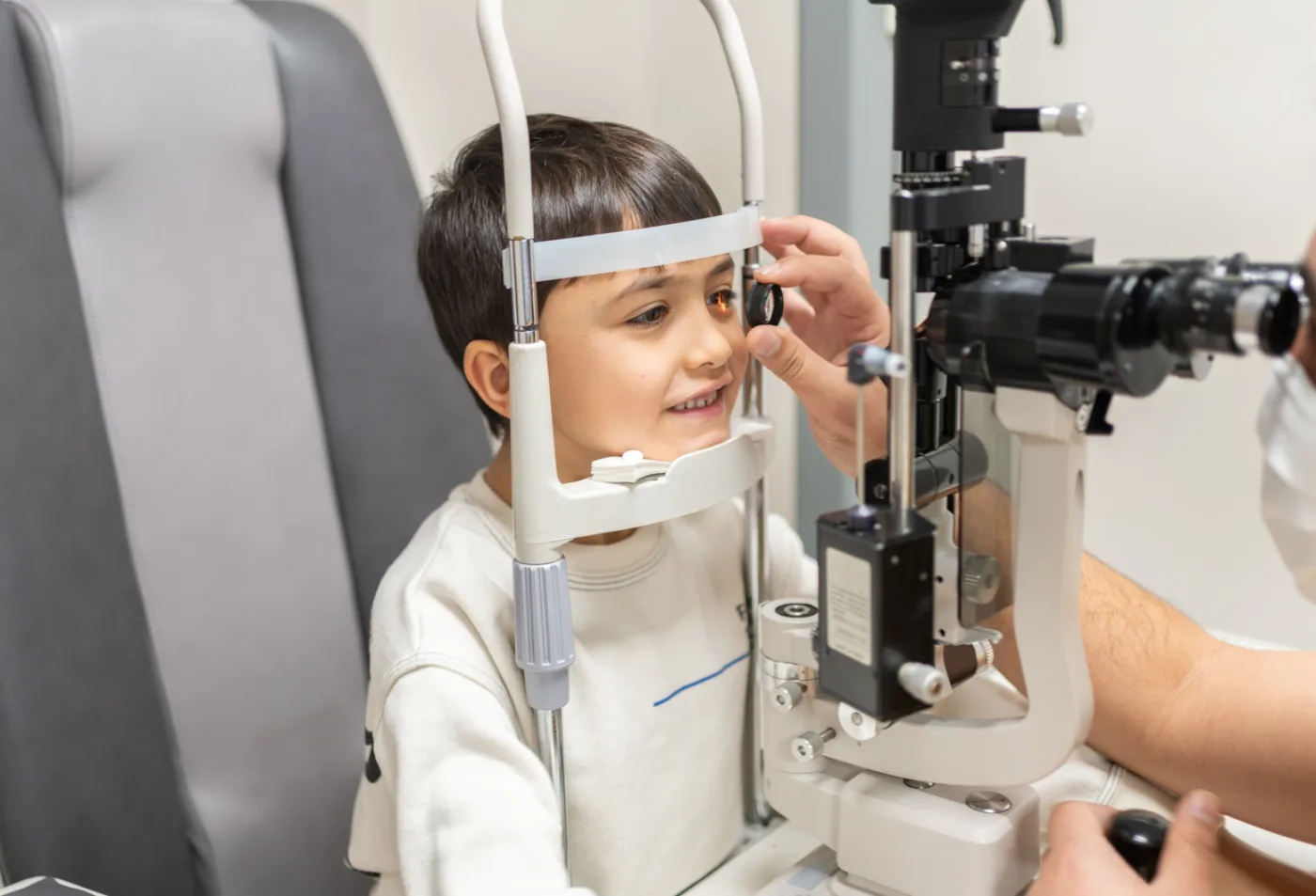
What Will the Eye Doctor Do?
The eye doctor may check:
- Vision when age appropriate
- Eyelid appearance
- Location of the bump
- Whether it looks like a stye or chalazion
- Eyelid margin health
- Oil gland function
- Signs of blepharitis
- Eye redness
- Corneal health
- Contact lens fit if relevant
- Signs of infection
- Whether vision is affected
- Whether medication is needed
- Whether referral is needed
The exam helps decide whether home care is enough or whether treatment should change.
What Treatments Might Be Recommended?
Depending on the findings, treatment may include:
- Warm compresses
- Gentle lid massage when appropriate
- Eyelid hygiene
- Allergy treatment
- Artificial tears
- Antibiotic ointment if infection is suspected
- Oral medication in selected cases
- Temporary contact lens break
- Follow up visit
- Referral if the bump is persistent, large, or recurrent
The plan depends on the child.
- Not every bump needs medication.
- Not every bump can be fixed with drops.
Why Follow up Matters
If your child has repeated styes or chalazia, follow up matters because the goal shifts from treating one bump to preventing the next one.
The eye doctor may want to monitor:
- Eyelid hygiene
- Allergy control
- Dry eye symptoms
- Blepharitis
- Contact lens habits
- Whether warm compresses are being done correctly
- Whether the bump is shrinking
- Whether the bump is affecting vision
- Whether a different treatment is needed
Repeated eyelid bumps deserve a plan.
Stye and Eyelid Bump Care at Pediatric & Family Vision
At Pediatric & Family Vision, we see children, teens, and adults for styes, chalazia, eyelid swelling, red eyes, allergies, dry eye, contact lens irritation, and recurring eyelid bumps.
For children, we look beyond the bump itself.
We ask why it may be happening.
- Is there allergy related rubbing?
- Is there blepharitis?
- Are the eyelid glands clogging?
- Is screen use making dryness worse?
- Is sunscreen, pool exposure, makeup, or contact lens wear contributing?
- Does your child need a simple home routine, medication, or follow up?
Most eyelid bumps are manageable, but recurring bumps should not be ignored.
If your child keeps getting styes, has a bump that is not improving, or has swelling, pain, redness, discharge, or vision changes, schedule an eye exam.
A clear diagnosis makes it much easier to treat the bump and reduce the chance of it coming back.