Vision Resources for Schools in Boca Raton.
For school nurses, teachers, counselors and PTA volunteers: how to spot a student who may not be seeing well, and how to help the family get a full eye exam.
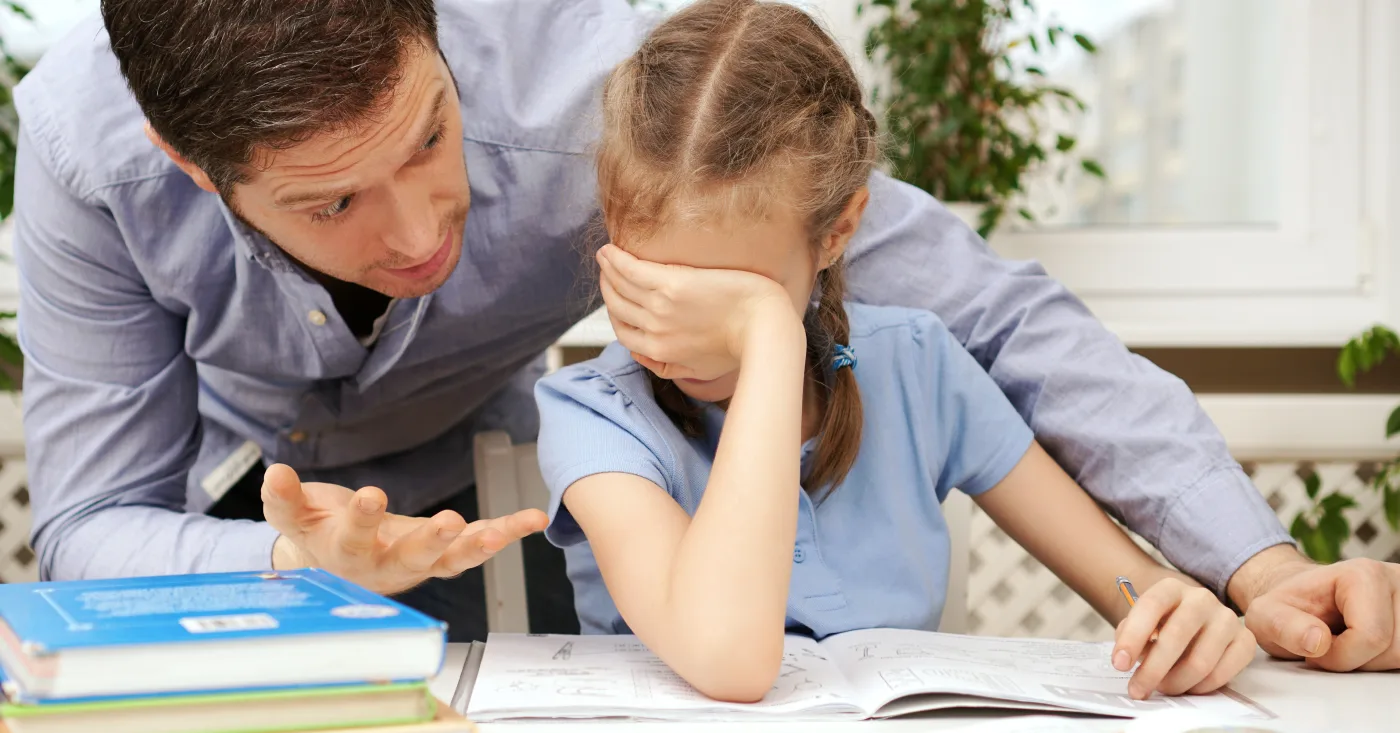
You See What Parents Don't
Children rarely say they can't see. They don't know what clear vision is supposed to look like. Teachers and school nurses watch them read, copy from the board and work up close for hours each day, which puts you in the best seat to notice when something is off.
Florida's Department of Health puts it simply: vision and hearing impairment directly interfere with the learning process [2]. A teacher's note is often the first nudge a family gets.
Classroom Signs of a Vision Problem
The American Optometric Association lists these signs of a possible vision problem in school-age children [1]. The AOA also notes that some of them can look like attention problems, so a comprehensive eye exam is a sensible early step.
Other things worth passing along: trouble remembering what was just read, tired or sore eyes by the afternoon, and a student who avoids close work they should be able to do [1]. These overlap with the signs in our parent guides on squinting, excessive blinking and light sensitivity.
What School Screenings Miss
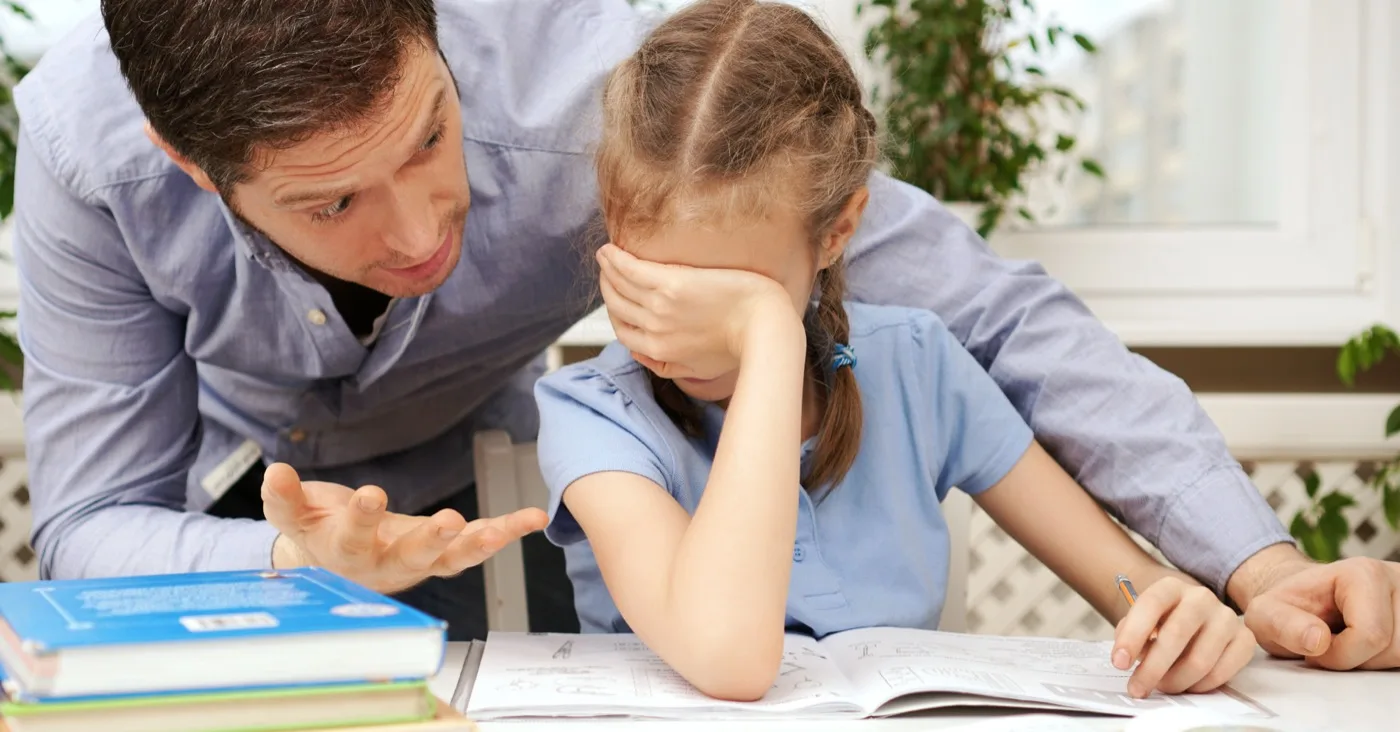
Florida requires vision screening at a minimum in kindergarten and grades 1, 3 and 6, plus students new to Florida schools in kindergarten through grade 5 [3]. The state procedure checks distance vision in each eye and, from age 6, adds a plus-lens test for farsightedness [2].
That leaves real gaps:
- Near vision and eye teaming. A child with 20/20 vision can still struggle with focusing, eye tracking or coordination [1]. See why 20/20 isn't the whole story.
- Grades in between. Grades 2, 4 and 5 are not on the required list, so a problem that starts in one of those years can wait a year or more for the next screening.
- Missed cases. In the Vision In Preschoolers Study, the best screening tests found only about two out of three children with a targeted eye condition [4].
- Quiet problems. Amblyopia (lazy eye) affects up to 3 in 100 children and its symptoms can be hard to notice [5].
None of this is a criticism of school screening programs. They do one job well. A failed screening, or a teacher's concern after a passed one, should lead to a comprehensive exam [6]. Parents can read more on our failed vision screening page.
A tip from the state manual: Florida's school health procedures ask staff to give a student who fails the screening preferential seating until the results of a professional exam come back [2].
How to Refer a Student
When you send a note home, it helps to include what you noticed, in which class, and roughly since when. If the student failed a screening, include which eye and which line. Families can then reach us any of these ways:
- Book online: our online scheduler
- Call: (561) 462-1245, weekdays 8:30 AM – 5:30 PM
- Email: appointments@pedsfamilyvision.com
- En español: hablamos español. Visite nuestro sitio en español.
Our office is at 1000 NW 9th Ct, Ste 203A, Boca Raton, FL 33486 and opens November 16, 2026. Families who want to get on the schedule early can reserve a spot.
What Families Can Expect
Easy Booking
Online booking takes about a minute, or families can call. Weekday appointments only.
A Full Eye Exam
Distance and near vision, eye teaming and focusing, prescription testing and eye health, adapted to the child's age.
Clear Answers
We explain what we found and what comes next in plain language, in English or Spanish.
Up-Front Costs
We verify insurance benefits before the visit, so families know what to expect.
Details for parents are on our pediatric eye exam page, the new patients page and the insurance page. If an exam turns up a lazy eye or an eye teaming problem, we may recommend a binocular vision evaluation. Families getting ready for the school year can see our back-to-school eye exams.
Resources for Staff and Families
These parent guides are written by Dr. Murray and are free to link from a school newsletter, nurse's page or PTA site. For students who see clearly but still struggle with reading or copying, our sister practice keeps a guide for teachers on classroom signs of a vision-related learning problem.
Screening vs. Eye Exam
Why school screenings miss some problems.
Signs a Child Needs Glasses
A parent-friendly checklist to share with families.
Vision and Reading
How eye problems can look like reading trouble.
Headaches After School
When afternoon headaches point to the eyes.
Convergence Insufficiency
An eye teaming problem that affects close work.
Concussion and Vision
Visual symptoms after a head injury.
Questions From School Staff
Can a family book with you without a referral?
Yes. Families can book directly online or by phone. A note from the school nurse or teacher is helpful but not required.
Do you see students who passed the school screening?
Yes. A pass is reassuring for distance vision, but a screening is not a comprehensive exam, and a child who sees 20/20 can still have trouble with focusing, eye tracking or eye coordination[1]. If a student shows the classroom signs on this page, a full exam is worth it.
Do you speak Spanish?
Yes. Hablamos español. Spanish-speaking families can also read our site in Spanish at pedsfamilyvision.com/es/.
Will you send exam results to the school?
Exam results belong to the family. Parents can share the findings with the school nurse or teacher, and we are glad to explain them in plain language so the family knows what to pass along.
What about families without vision insurance?
We bill vision and medical insurance. Families without insurance can call us, and we'll arrange a self-pay visit through our sister practice, Vision & Learning Center. Florida's school health manual also notes that low-cost vision resources vary by county, and that families can call 211 to find local options[2].
Where This Information Comes From
- American Optometric Association: School-Aged Vision: warning signs; a screening is not a comprehensive exam
- Florida Department of Health: School Health Administrative Resource Manual (rev. 2021): screening grades, pass criteria, rescreening, preferential seating, low-cost resources
- Florida Administrative Code Rule 64F-6.003, Screening (via Cornell LII)
- Vision In Preschoolers Study Group, Ophthalmology, 2004 (PubMed 15051194): sensitivity of screening tests
- National Eye Institute: Amblyopia (Lazy Eye)
- American Academy of Ophthalmology: Eye Screening for Children
Serving Boca Raton and Nearby Cities
We see patients for children referred by their schools at our office at 1000 NW 9th Ct, Ste 203A, Boca Raton, FL 33486. Families also come to us from Delray Beach, Highland Beach, Boynton Beach, Deerfield Beach, Parkland, Coral Springs, and Pompano Beach. Directions from your city →
Questions About a Student's Vision?
School staff are welcome to call or send us a message. We're glad to help you help a family.